
There are seasons when planning needs to be fast, functional, and no-nonsense. And then there are seasons when planning feels…boring.
Not hard. Not overwhelming. Just flat.
That’s usually when people think they need a new planner. Spoiler: they usually don’t.
What they actually need is a little visual interest and enjoyment, so they want to come back to their planner again.
This post is for that moment.
Not full bullet journaling. Not elaborate spreads. Not turning your planner into an art project.
Just a small set of fun planning tools that make planning feel lighter, more enjoyable, and easier to stick with, without complicating your system.
This post may contain affiliate links. Please see my full disclosure for more information.
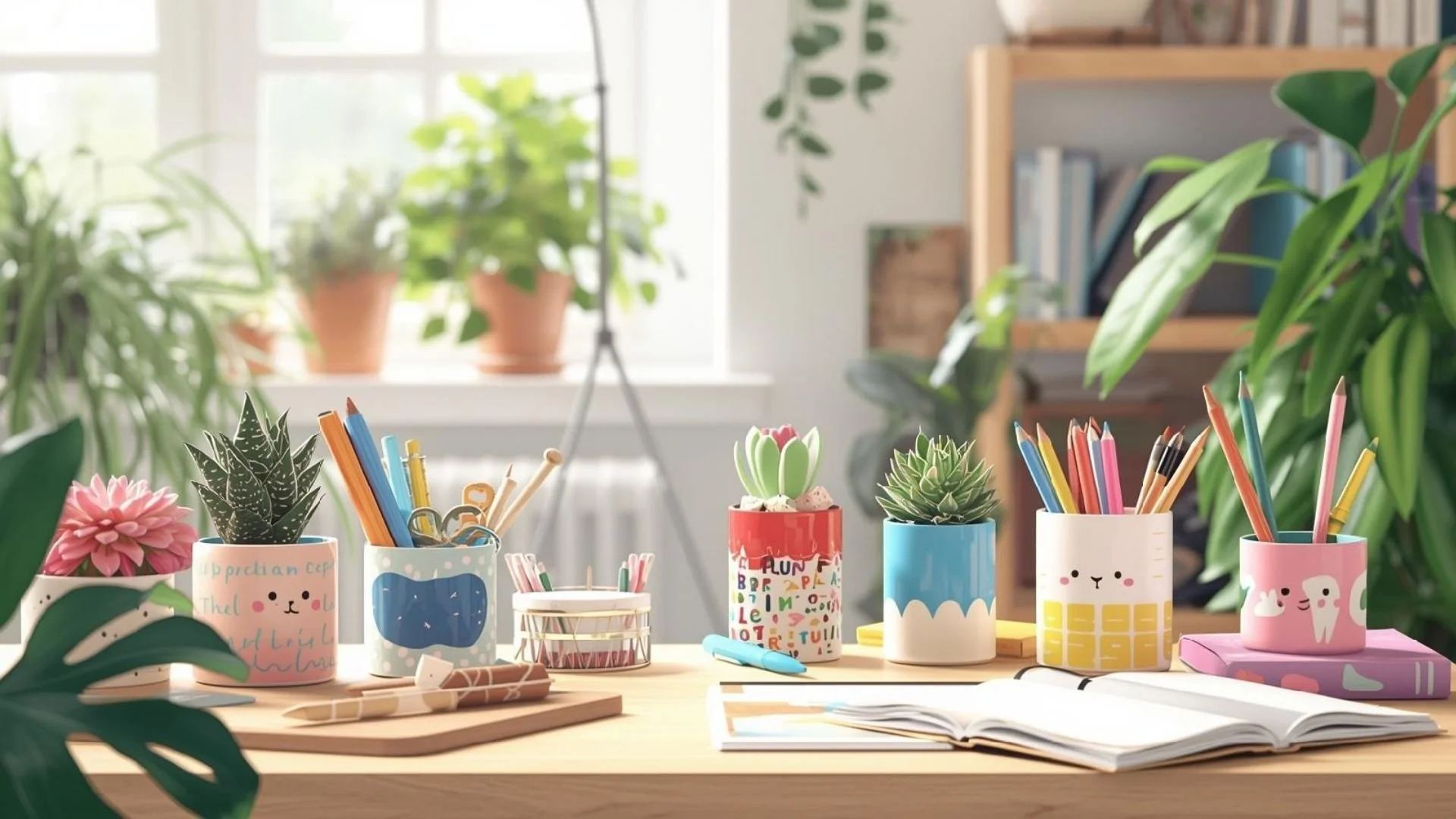
First, a quick rule (so this stays helpful)
Before we get into supplies, here’s the boundary that keeps this from turning into chaos:
Planning first. Fun second.
You don’t decorate to avoid planning.
You use fun tools to make planning more inviting after you’ve decided what matters.
Every tool below has a job. If it doesn’t help you see, decide, or remember something faster, it doesn’t belong in your planner.
1. Mildliners or soft highlighters (not neon chaos)
If you’ve ever avoided highlighting because it felt too loud or distracting, this is where Mildliners shine.
Soft highlighters are great for:
Gently marking your Top 3
Highlighting appointments or important tasks
Noting “this week’s focus”
Separating sections without heavy lines
They add just enough color to guide your eye without overwhelming the page.
You don’t need every color. Two or three that feel calm and usable are more than enough.
Here are my favorites:
2. Dot markers (Zig Dot, dot pens, or similar)
Dot markers are one of my favorite “fun but functional” tools.
They’re perfect for:
Marking priority tasks
Tracking habits with a single dot
Noting energy levels or mood quickly
Adding visual cues without writing more words
Instead of rewriting tasks or overthinking symbols, one dot does the job.
This is especially helpful if you like visual tracking but don’t want to draw boxes, grids, or charts.
Here are my favorite Zigdots and similar:
Zig Clean Color Dot Set (one end for dots, the other for fine lines)
Tombow Dual Brush Pens (used as “dot” markers with light stamping)
Marvy Uchida LePen Flex (for soft dot/marker moments)
Shuttle Art Dot Markers (dual tip markers)
3. Washi tape (thin and purposeful)
Washi tape gets a bad reputation because people try to do too much with it. In fact, years ago, when I first got my hands on washi tape, I went a little crazy. I had a very pricy Day Designer planner, and I washi taped every single side edge of it with washi. I had fun, but I ended up with a planner so thick on the edge that I couldn’t close it, and it was really difficult to write in. So now, when I use washi tape, I use it sparingly and to accent or highlight just one thing…not every page of the planner.
That said, if used simply, washi tape can be incredibly helpful.
Good uses:
Marking the current week
Creating a visual divider between sections
Blocking off “busy” days
Flagging a page you’ll come back to
Stick with thinner rolls or simple patterns so it doesn’t take over the page.
Think accent, not centerpiece.
My favorites:
Thin Washi Tape Set (3mm / 60 roll pack)
Solid Color Washi Tape Set (5mm / 60 roll pack)
Minimal Pattern Washi Tape Set (stripes, grids, dots - 10mm / 20 roll pack)
Transparent / Matte PET Tape (functional marking)
Washi tape cutter/dispenser (nice to have, but not necessary)
4. Minimal planner stamps (icons, not scenes)
Stamps can actually save time when they’re used correctly.
Look for small, simple icons like:
Appointments
Phone calls
Emails
Pay days
Deadlines
Instead of writing the same words over and over, one quick stamp gives you the cue you need (and adds a cute look to your pages).
Avoid large decorative stamps or anything that requires perfect placement. The goal is speed, not perfection.
My favorites:
Planner Icon Stamp Set (cute icons for your favorite activities and reminders)
Date stamp (small, simple)
Acrylic stamping block for clear silicon stamps, like these planner stamps or these planner stamps
Ink pad (quick-dry)
5. Functional stickers (labels, not pictures)
This is where a lot of people go off the rails, so here’s the filter:
If the sticker doesn’t help you label, clarify, or prioritize, skip it.
The most useful stickers are:
Blank label stickers
“This week” or “Today” labels
Simple checkboxes
Small word prompts like “Focus” or “Important”
They’re especially helpful if you like to move things around without rewriting everything.
Here are my favorites:
ban.do Planner Sticker Book (set of 40 sheets)
Festive Monthly Sticker Sheets (24 sheets)
6. One “fun pen” + one everyday pen
You don’t need a full pen collection.
You need:
One reliable pen you always use
One pen that feels fun enough to make planning enjoyable
That’s it.
The fun pen might be:
A slightly bolder tip
A favorite color
A smoother gel
Use it sparingly, maybe for headings or Top 3 items, so it stays special.
Here are my favorite everyday, reliable pens:
Uni-ball Jetstream Pen in 3 colors
Zebra Sarasa Dry Gel Pens (quick-dry)
Pentel EnerGel (dry fast gel pen)
Fun pen (just for headings/Top 3 or accent):
Paper Mate InkJoy Gel (colors)
Pilot G2 Gel Pens (colors)
Zebra Sarasa Clip (vintage colors)
Uni-ball Signo Gel Pens (colors)
7. A small “planning kit” pouch
This might be the most underrated part.
When your supplies are scattered, planning feels like an effort before you even start.
A small pouch that holds:
Your two pens
Highlighter
Dot marker
A few stickers
One roll of washi
…means you can sit down and plan without hunting for anything.
Less friction = more consistency.
Here are my favorites:
Clear zip pouch (see-through)
Pen case with compartments (if you want structure)
Sticker storage pouch or mini sticker album (optional)
How to use fun tools without overcomplicating your planner
If you’ve ever gone all-in with supplies and then abandoned them, try this instead:
Pick two tools per week, not all of them
Use them for the same purpose all week
Put everything back in the pouch when you’re done
This keeps planning playful without turning it into another thing to manage.
When fun tools help (and when they don’t)
Fun planning tools help when:
You’re avoiding your planner because it feels dull
You want to enjoy planning again
You need visual cues to stay engaged
They don’t help when:
You’re already overwhelmed
You’re trying to fix motivation with decoration
You’re adding tools instead of removing pressure
That’s why this works best alongside simple systems like a weekly reset or a Top 3 focus.
Planning should feel supportive, not serious
You don’t have to choose between functional and enjoyable.
Planning can (and should) be:
Simple and pleasant
Practical and motivating
Organized and a little fun
The goal isn’t a perfect page.
It’s a planner you want to come back to.
And sometimes, a little color goes a long way.
Happy planning!




If your planner feels like a chaotic dumping ground instead of a calm place to think, this post will fix that. I’ll show you how to turn your planner into a “calm corner” without turning it into a craft project, no complicated layouts, no perfection pressure. You’ll learn a simple, functional setup using a few small tools (pouch, pens, page flags, tray, timer) so planning feels easier, clearer, and way less overwhelming.