
The Planner Setup That Makes You Want to Sit Down and Start
If you keep meaning to sit down with your planner but somehow keep walking past it, this isn’t a motivation problem.
It’s a setup problem.
Most of us assume that if we’re avoiding our planner, it must be because we’re tired, distracted, or “not in the mood.” But in real life, we avoid things that feel slightly annoying, heavy, or effortful, even when we want the result.
Your brain is very good at detecting friction.
And if your planner setup has friction built in, you’ll feel it before you ever open the cover.
This isn’t about making your planner prettier.
It’s about making it easier to access and use.

Why some planner setups repel you (even when you love planning)
Let’s talk about what quietly makes a planner feel uninviting.
You have to gather supplies before you can start
The planner lives in a drawer, a bag, or a different room
Pens don’t work the way you want them to
You don’t know where to write something
The page feels too crowded or too empty
You sit down and immediately feel behind
None of these is a dramatic problem. But stacked together, they create just enough resistance that your brain says, “I’ll do this later.”
And later rarely comes.
A setup that works removes these tiny barriers before they become a problem.
Related Post: Why Your Planner Isn’t the Problem (And What Actually Is)
The goal of a “start-friendly” planner setup
The goal isn’t inspiration.
The goal isn’t discipline.
The goal is to make starting feel obvious.
When your setup is working, you should be able to:
sit down
open your planner
write something
without making a single decision first.
If you need to decide where to sit, what pen to use, or what section something belongs in, you’ve already added friction.
So let’s fix that.
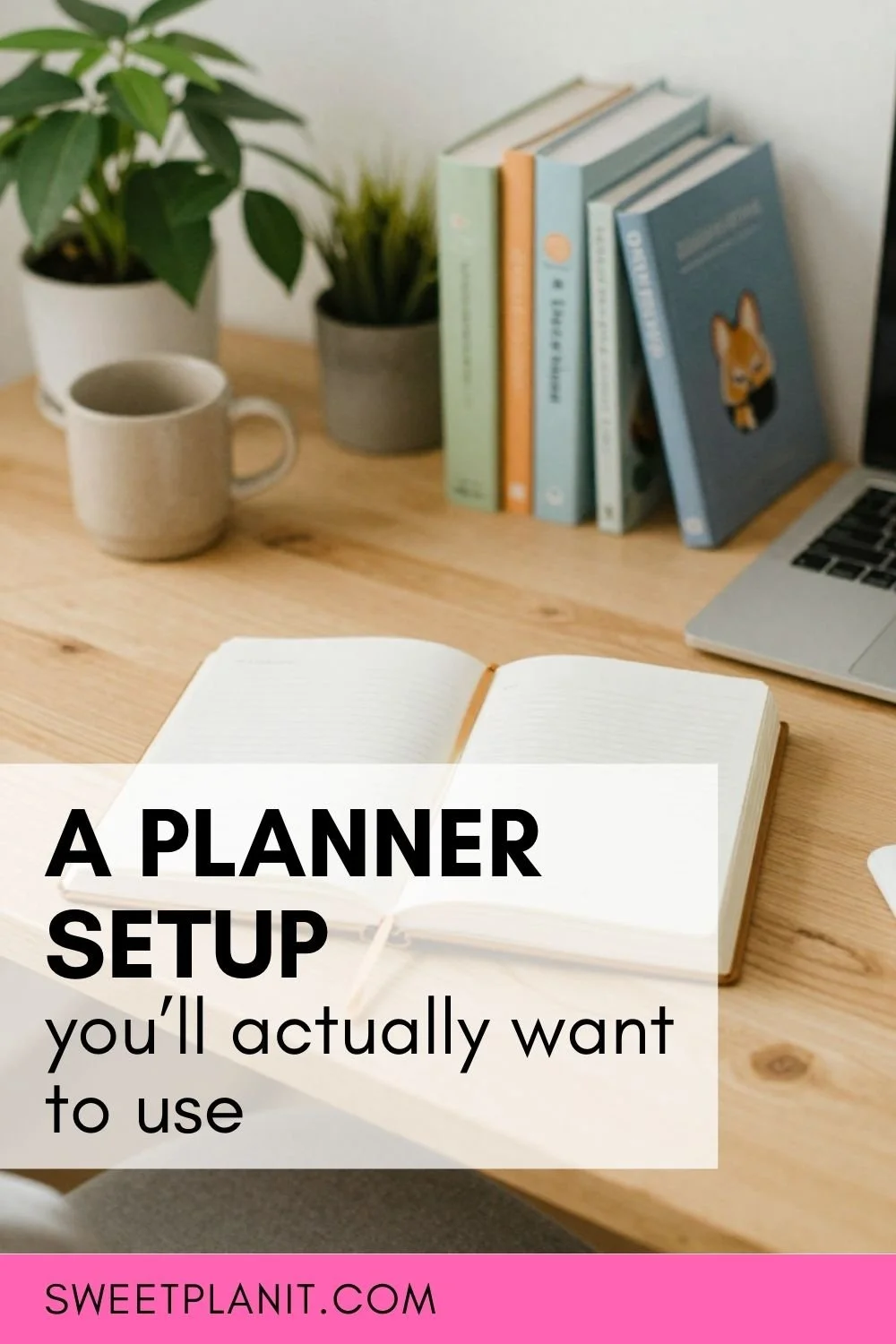
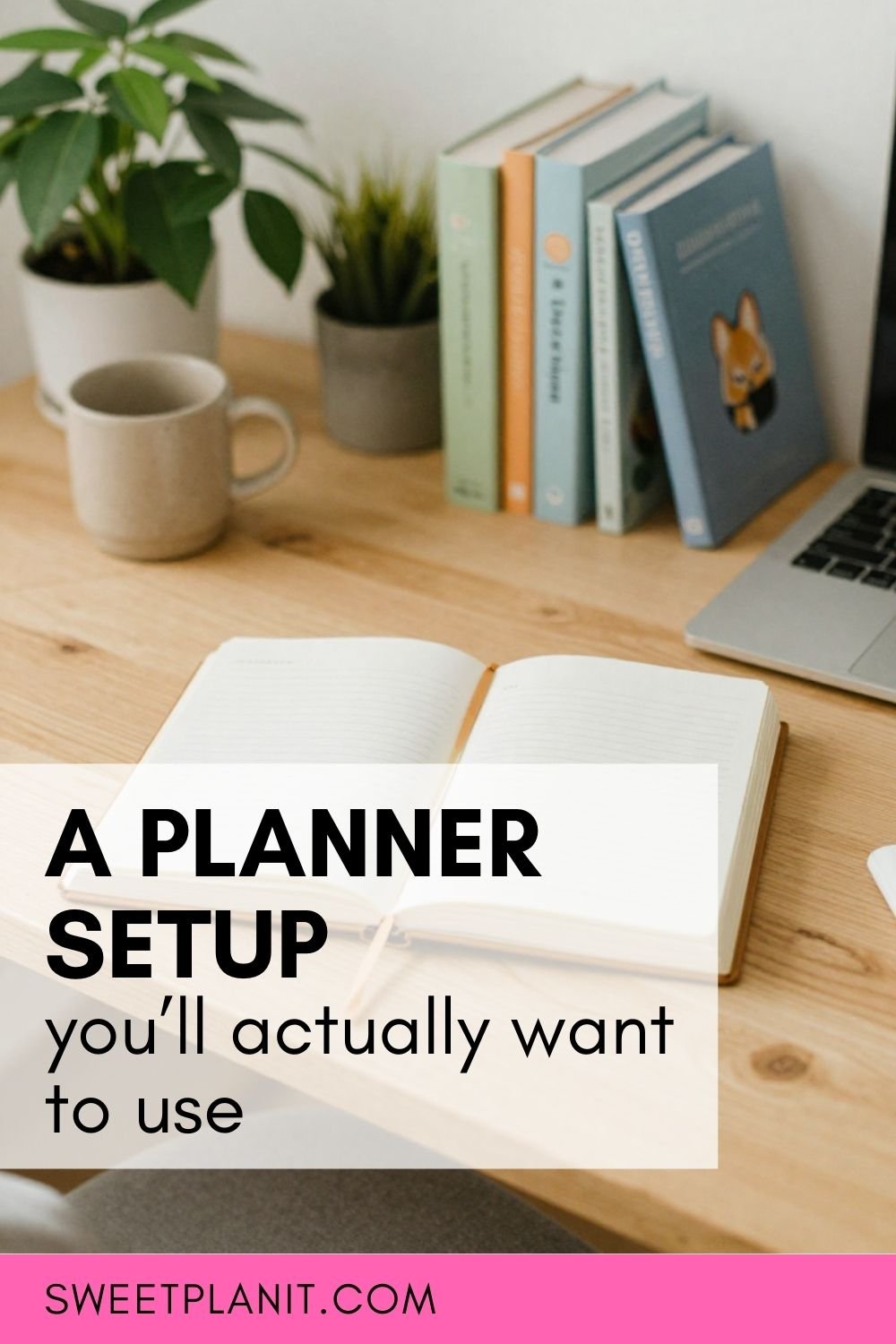
Start with one permanent planning spot (even if it’s small)
You don’t need a perfect desk.
You do need consistency.
Your brain likes knowing, “This is where planning happens.”
That might be:
one corner of a desk
a kitchen counter spot
a small tray on a table
a rolling cart next to the couch
The location matters less than the fact that it doesn’t move.
When your planner floats around the house, you subconsciously associate planning with searching. When it lives in one place, planning becomes a habit, not a project.
What to do:
Pick one spot and commit to it for a month. Even if it’s not ideal. Familiarity beats perfection.
Related Post: How to Make Your Planner a ‘Calm Corner’
Keep your planner openable with one hand
This sounds small, but it’s huge.
If you need to:
unzip a pouch
dig through a bag
move things off the planner
stack notebooks just right
…you’re adding steps your brain doesn’t want.
A planner that’s easy to open gets used more.
What to do:
Keep your planner either:
on top of your workspace, or
inside a pouch that opens flat and stays open
If you love planner pouches (many of us do), choose one that holds everything you need, so you’re not grabbing extra supplies.
Choose pens that remove hesitation, not add it
If you’ve ever sat down and thought, “Which pen should I use?” you’ve felt this.
Pens can either invite you in or slow you down.
You want pens that:
write smoothly without thinking
don’t smudge or ghost badly
feel good in your hand
work the same every time
This is not the moment to test new pens or rotate favorites.
What to do:
Pick:
one main writing pen
one accent pen (for highlights or emphasis)
Keep them clipped to your planner or in the same spot every time.
When the pen choice is settled, your brain can move on.
Reduce visual noise on the page you use most
A common planner mistake is overloading the daily or weekly page because it’s “important.”
But crowded pages create pressure.
If the page you open most often feels busy, you’ll avoid it without realizing why.
What to do:
Look at the page you use the most and ask:
What do I actually look at here?
What do I ignore?
What feels visually loud?
You don’t need to redesign the planner.
You might just need to:
Stop filling every box
Leave intentional white space
Move notes elsewhere
Use fewer colors on functional pages
Calm pages invite action.
Related Post: The Planner Aesthetic Trap (and How to Keep It Fun Without Falling Behind)
Give notes their own home (this changes everything)
One of the fastest ways to make a planner feel heavy is mixing:
appointments
tasks
notes
ideas
thoughts
When everything goes everywhere, your brain doesn’t know where to put things, so it resists starting.
What to do:
Give notes a separate space.
a matching notebook
a notes section at the back
a designated notes insert
This lets your planner focus on planning, not on information storage.
You’ll feel the difference immediately.
Keep “entry tasks” visible and easy
Some tasks help you enter planning, not finish it.
These are things like:
writing the date
listing today’s Top 3
checking the calendar
doing a quick brain dump
If these steps feel complicated, you’ll skip the whole session.
What to do:
Make sure the first thing you do when you open your planner is obvious.
You might:
Keep a sticky note labeled “Start Here”
Always open to today’s page
Keep a simple checklist at the front
Starting should feel like sliding into motion, not climbing uphill.
Related Post: How to Make a Daily To-Do List That Actually Gets Done
Use tools that reduce effort, not add decoration pressure
This is where products matter, but only when they serve a function.
Helpful tools:
page flags for quick reference
a small timer for short sessions
a shallow tray to corral supplies
a pouch that keeps everything together
Tools should make planning easier to begin, not harder to maintain.
If something requires cleanup, maintenance, or decision-making every time, it doesn’t belong in your everyday setup.
Related Post: Best Habit Tracker Tools (No Bujo)
Why this works (and why motivation isn’t the answer)
You don’t need to want to plan more.
You need to make planning easier to start than avoiding it.
When your setup:
lives in one place
opens easily
removes small decisions
feels visually calm
supports how you actually think
…your brain stops resisting.
And when resistance drops, consistency follows naturally.
Not because you tried harder.
But because the system stopped asking so much of you.
Related Post: If Planning Feels Hard Right Now, Read This
If your planner hasn’t been calling you lately, don’t assume you’re the problem.
Adjust the setup.
Lower the friction.
Make the entry obvious.
That’s usually all it takes.
Happy planning!
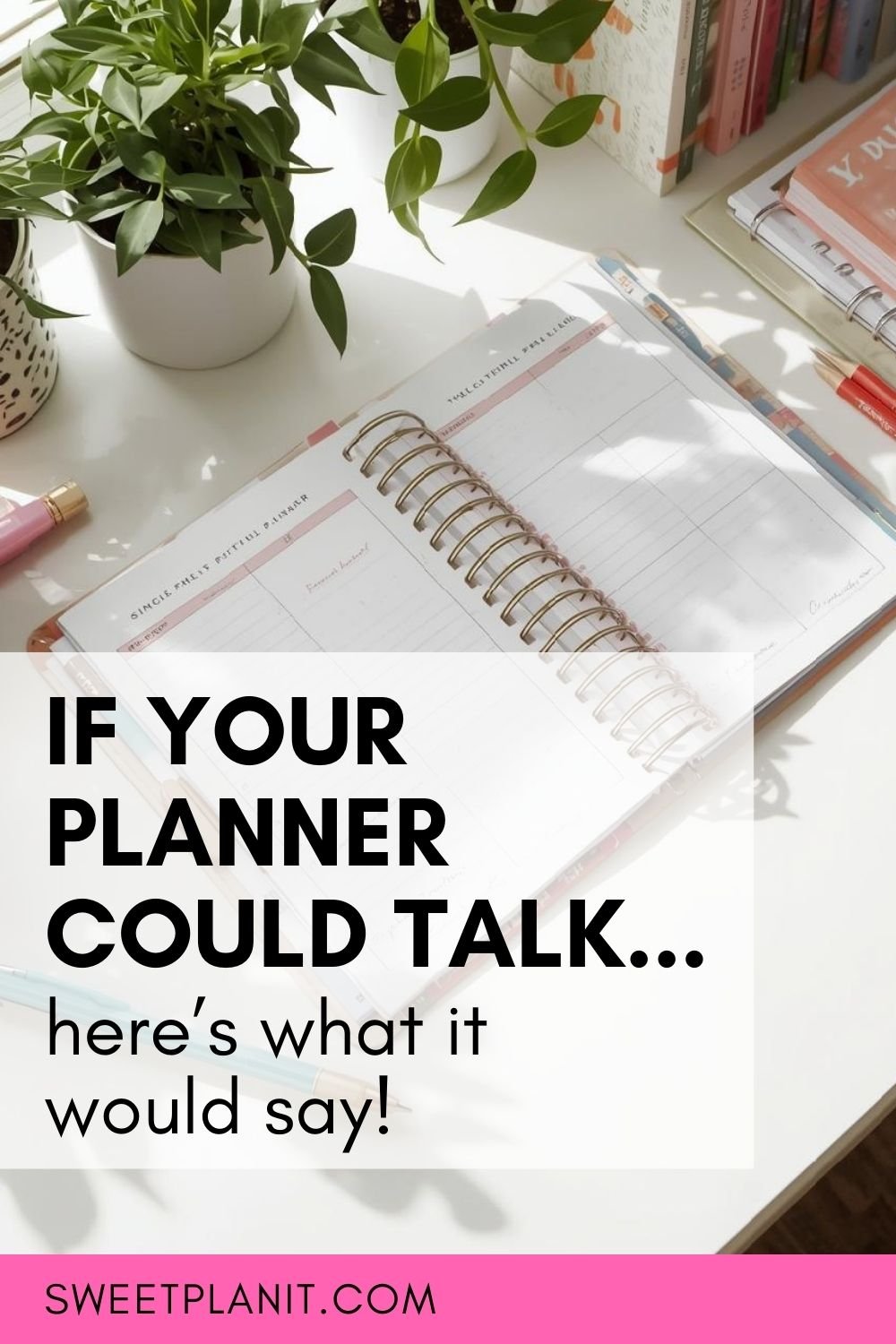


Not sure if you should use a paper planner or go digital? This simple guide breaks down the real-life pros and cons, what each style is best for, and how to tell what will actually stick for you. Includes a hybrid option if you need flexibility for scheduling but still want paper for to-do lists, notes, and brain dumps.